Rapid stabilization
The goal on day one is to stop deterioration. That can mean extracting water, setting containment, removing unsalvageable materials, and getting airflow and dehumidification in place so moisture does not spread.
Serving Vancouver, Washington & surrounding areas
24/7 Emergency Response
When your property needs to be stabilized, cleaned up, and put back in service, you want clear communication, careful documentation, and a crew that moves fast without cutting corners.
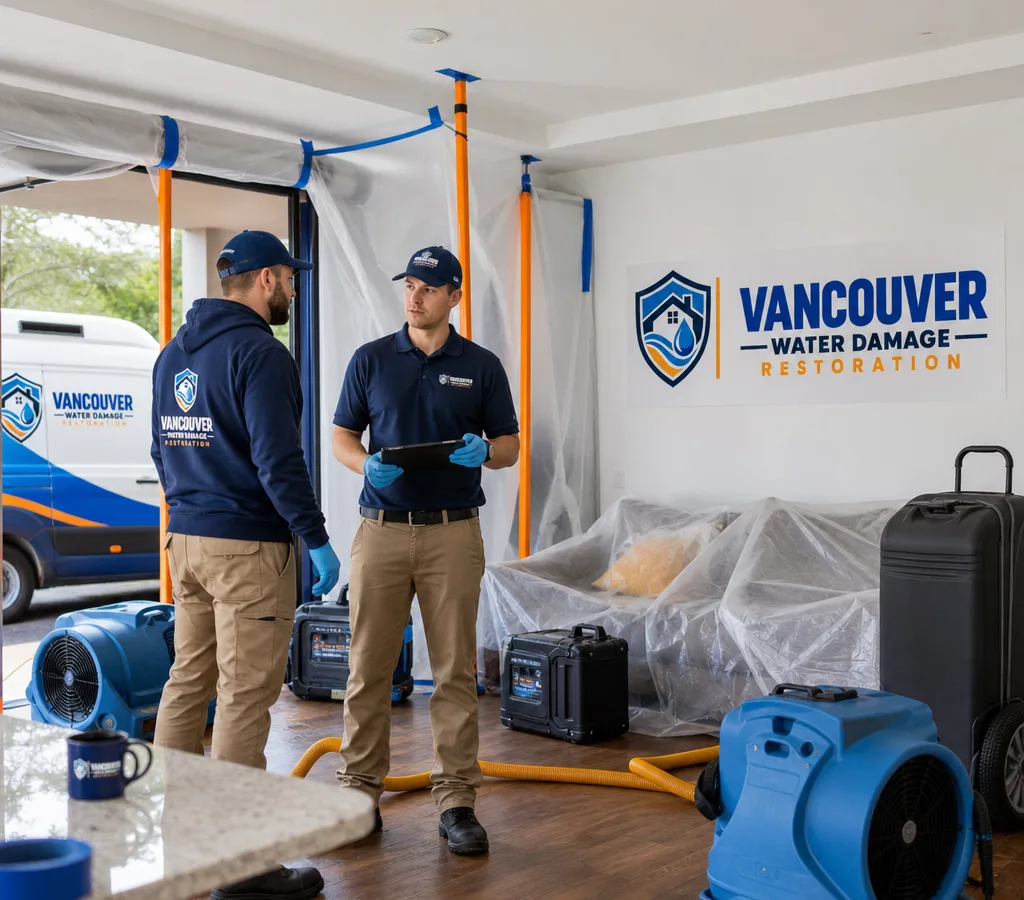
If you are searching for a Vancouver restoration company, you are usually dealing with something time-sensitive: a wet building, contaminated materials, soot and odor, or a space that cannot safely be used until it is cleaned and stabilized. Our team at Vancouver Water Damage Restoration helps homeowners, property managers, and local businesses in Vancouver, Washington get from immediate triage to a documented plan for cleanup, drying, and repairs.
Restoration is different from basic handyman work because the first decisions shape everything that comes after. What gets removed, what gets dried in place, what gets treated, and what must be contained all affect safety, cost, and how quickly you can return to normal use.
Vancouver sits right on the Columbia River, and homes and commercial spaces here see the issues common to the Pacific Northwest: long periods of wet weather, moisture moving through building assemblies, and a real risk of mold growth when wet materials stay wet. That is why drying and verification matter as much as cleanup.
The goal on day one is to stop deterioration. That can mean extracting water, setting containment, removing unsalvageable materials, and getting airflow and dehumidification in place so moisture does not spread.
You should receive a written plan that explains what will be removed, what will be cleaned, how drying will be verified, and what repair steps follow. Documentation also helps when coordinating with an insurer or property manager.
Professional drying is measured, not guessed. Expect moisture mapping, targeted equipment placement, and verification checks so materials are dried to appropriate levels before cavities are closed or finishes reinstalled.
If contamination such as sewage, mold, or soot is suspected, work should include isolation of affected areas, proper PPE, and controlled removal and cleaning methods to limit cross-contamination.
Restoration is not only cleanup. After mitigation, most properties need rebuild work such as drywall, baseboards, flooring transitions, paint, and finish carpentry to return the space to usable condition.
For homes, the plan should protect livability. For businesses, the scope should consider access, after-hours work where feasible, and steps that keep critical areas operating.
Vancouver has a wide mix of building types, and that changes the restoration approach.
Downtown and the Waterfront area often includes newer multi-family and mixed-use construction. Restoration here frequently means coordinating access, elevators, parking, and noise limits while keeping other units protected.
Hazel Dell and Minnehaha include many established neighborhoods with renovations layered over time. That can mean multiple flooring types, older trim profiles, or previous repairs that need careful matching during rebuild.
Felida and Salmon Creek commonly have larger homes and finished basements or bonus rooms where moisture can travel unnoticed. In these spaces, moisture mapping and targeted drying are important to avoid hidden wet pockets.
Regardless of the neighborhood, the technical goal stays the same: identify what is wet or contaminated, separate what can be restored from what must be removed, and verify the structure is ready for repairs before putting everything back together.
If your immediate need is specifically moisture-related cleanup and drying, our water damage restoration in Vancouver work focuses on fast extraction, structural drying, and a clear path to repairs.
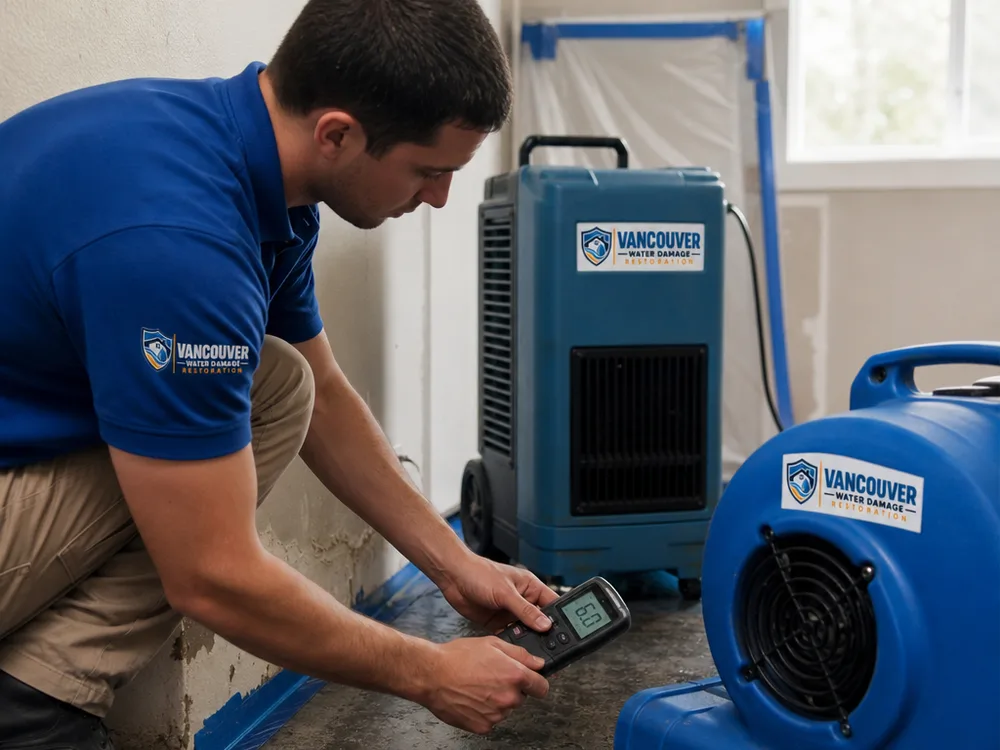
We start by identifying hazards such as electrical risks, slip hazards, and compromised materials, along with the likely category of loss. If immediate containment or controlled demolition is required, we outline that before major work begins.
We document affected areas, take readings where relevant, and explain what restoration path makes sense. You get a straightforward plan for cleanup, drying, and the repairs that follow.
Depending on conditions, this can include extraction, selective tear-out, HEPA filtration, antimicrobial application when appropriate, odor-control steps, and placement of air movers and dehumidifiers for structural drying.
Before closing walls or reinstalling finishes, we verify drying progress and confirm that the space is ready for repairs. This helps prevent trapped moisture and recurring issues.
We complete the rebuild work needed to return the property to functional condition. Typical repairs include drywall, texture, paint, trim, flooring repair or replacement, and finish carpentry based on the approved scope.
Most restoration projects in Vancouver typically range from about $1,500 to $12,000+, depending on the type of loss, how far it spread, and how much material needs removal and rebuild. Small, contained cleanups with limited drying and minor repairs often fall at the low end, while multi-room impacts, contamination, or significant reconstruction can move costs higher.
Final pricing is driven by affected square footage, moisture depth, material types such as drywall, hardwood, and carpet, access constraints, and required safety controls such as containment, HEPA filtration, and disposal. The exact cost is confirmed after an on-site inspection and a written scope.
“We had water get under the flooring and into a closet wall. The crew explained what had to come out, set up drying equipment the same day, and kept us updated on the moisture checks. The repair work matched our existing trim well.
“As a small business, downtime matters. They organized the work so we could keep the front area open and handled the mess and containment professionally.”
Response time depends on current demand and site conditions, but restoration is typically handled as a priority because delays increase damage. In Vancouver's wet months, fast stabilization and dehumidification are especially important because damp materials can begin supporting mold growth quickly.
Yes, a written scope is the standard for any responsible restoration company Vancouver property owners can rely on. It should spell out what areas are affected, what will be removed versus cleaned, what drying method will be used, and what repair steps follow, so you can make decisions with clarity.
Not always. Many projects can be contained to specific rooms so the rest of the home remains usable, but it depends on safety risks, contamination, and how much demolition is required. We walk through practical options for access, noise, and dust control before work begins.
A structure is considered ready for rebuild when moisture readings and conditions indicate materials are dry to appropriate levels for the assembly. That typically involves moisture mapping and follow-up checks, not just running equipment for a set number of days.
Yes. We can provide documentation, photos, and a clear scope so you can coordinate with your insurer while still staying in control of decisions. The key is making sure the work performed matches what is documented and approved.
If it is safe, stop the source, avoid using electrical areas that may be wet, and limit foot traffic to prevent spreading moisture and debris. Then get a professional assessment quickly so drying and containment can start before damage expands into adjacent rooms or wall cavities.
Tell us what happened and what areas are affected. We will outline the next steps, the likely scope, and what it will take to get the property cleaned up, dried, and repaired.