
A moisture-first investigation
We look beyond surface staining and focus on conditions that support growth: elevated material moisture, condensation patterns, ventilation issues, and intrusion pathways.
Serving Vancouver, Washington & surrounding areas
24/7 Emergency Response
Get clear, documented findings on visible and hidden mold, the moisture conditions that feed it, and practical next steps for your home or commercial space.
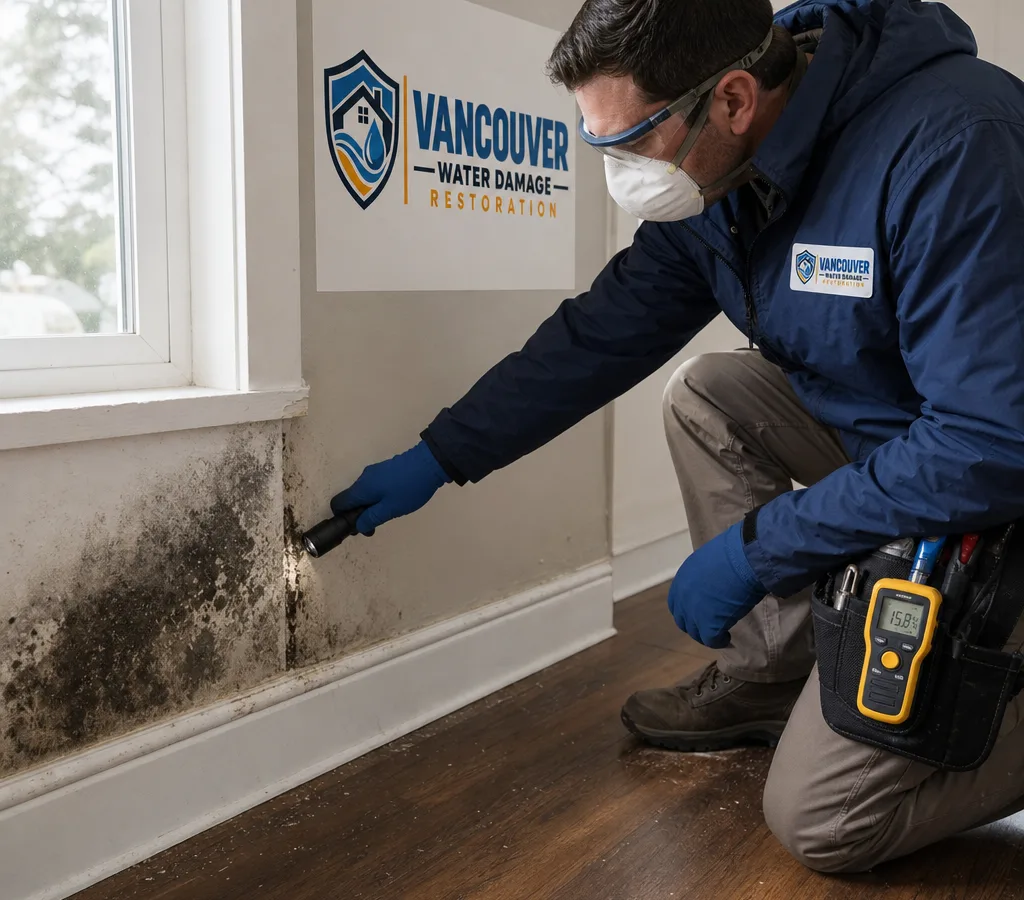
If you are searching for mold inspection Vancouver WA, you are usually dealing with one of three situations: a musty odor that will not go away, recent water intrusion or chronic dampness, or a real estate deadline where you need clear documentation.
Vancouver's wet-season weather and day-to-day humidity can turn small building issues into mold-friendly conditions. A slow plumbing drip, weak bathroom ventilation, a damp crawl space, or a leaking window can keep materials above the moisture levels that allow mold to grow.
Vancouver Water Damage Restoration provides mold inspections for homes and businesses in and around Vancouver, WA. We identify where mold is present or likely, locate the moisture source driving it, and provide written findings you can act on.
We look beyond surface staining and focus on conditions that support growth: elevated material moisture, condensation patterns, ventilation issues, and intrusion pathways.
Sampling is used when it answers a real question—confirmation, species group indication, or documenting conditions for a transaction—not as a default upsell.
You receive easy-to-follow notes on affected areas, likely causes, and practical recommendations that fit your property's layout and materials.
We explain what is reasonable to clean, what should be professionally remediated, and what building fixes reduce the chance of recurrence.
Inspections account for how the space is used, including tenant areas, storage rooms, offices, and common moisture points like restrooms and break rooms.
Mold rarely grows in the open without a reason. During an inspection, we pay special attention to locations where moisture commonly stays trapped or goes unnoticed.
Common findings include:
Vancouver neighborhoods vary in building style and moisture profile. Older areas like Arnada and Hough may combine remodeled interiors with older ventilation or window details. In waterfront-adjacent Vancouver Heights, wind-driven rain and exterior exposure can matter more. In newer developments like Salmon Creek and Fisher's Landing, tighter envelopes can make bathroom and laundry exhaust performance especially important.
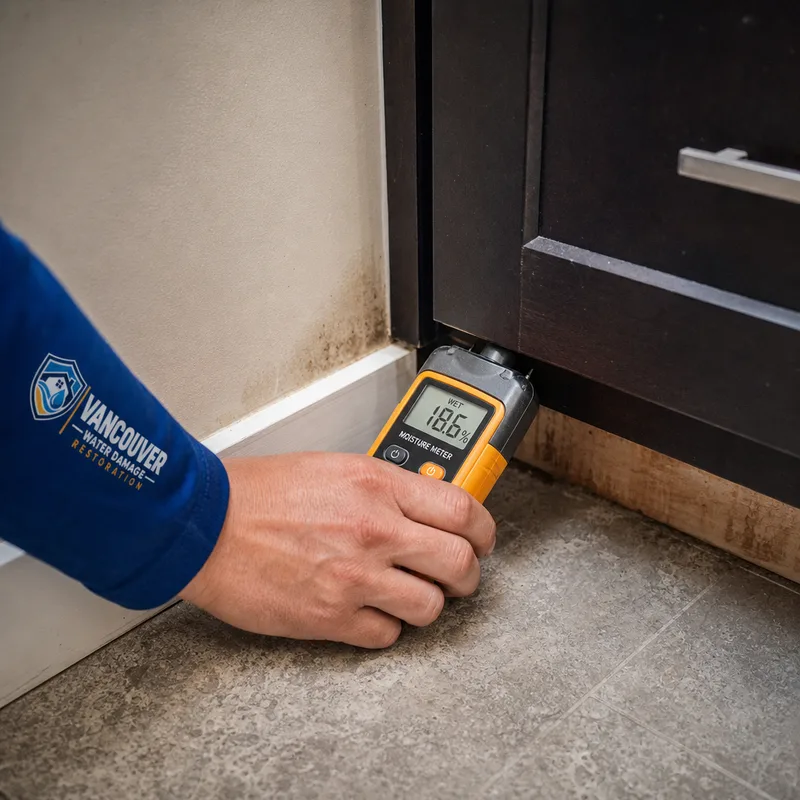
We start with what you have noticed: odors, visible spotting, past leaks, recent repairs, or health concerns. We also note timelines, since recent water events can change what materials are still drying.
We inspect the spaces most likely to show symptoms first—bathrooms, kitchens, laundry, crawl space, attic, and exterior-adjacent walls—then expand based on what we find.
Using professional moisture meters, we check building materials for elevated moisture and trace patterns that point to plumbing lines, shower assemblies, window openings, or grade-level intrusion.
If sampling will help confirm a concern or document conditions, we collect air and/or surface samples using standard chain-of-custody practices and send them to a qualified lab.
You get a clear summary of what was observed, what likely caused it, and what to do next. When remediation is needed, we outline containment, cleaning methods, and repair considerations at a practical level.
Mold inspection in Vancouver typically ranges from about $250 to $650 for many homes, with larger properties and inspections that include multiple samples often running $650 to $1,200+. The final cost depends on building size, the number of areas to evaluate—such as a crawl space, attic, or multiple units—access, and whether lab analysis is needed. The exact price is confirmed after we understand your concerns and the scope of the inspection.
Request Emergency ServiceAn inspection is only useful if it helps you decide what happens next. After we identify likely sources and affected areas, most situations fall into one of these paths:
The best outcome is fixing the moisture driver early, whether that means improving bathroom exhaust, sealing condensation-causing air leaks, correcting a plumbing seep, or addressing exterior drainage.
When growth is limited and the source is straightforward, the next step is typically targeted remediation and drying, followed by the repair needed to prevent recurrence.
Multiple elevated-moisture areas, recurring odors, or signs behind finishes call for a controlled plan to identify the extent, contain the work, and coordinate removal and repairs without spreading contamination.
If concerns began after a leak or flooding, damp building materials and mold risk may be part of the same drying and repair problem.
“We had a persistent musty smell that two different contractors blamed on 'old house' issues. The inspection found elevated moisture along one exterior wall and a problem around the window trim. The report was clear enough that our repair contractor knew exactly what to open up and fix.
“During a home sale we needed straight answers quickly. The inspector explained what was cosmetic and what was an actual moisture condition, and the documentation helped keep the deal moving.”
Most mold inspections take 60 to 120 minutes on site, depending on property size and whether we are checking a crawl space, attic, or multiple rooms with suspected moisture. If lab samples are collected, results commonly take a few business days after the lab receives them.
You only need mold testing when it answers a specific question, such as documenting conditions for a real estate transaction or confirming whether suspect discoloration is likely microbial growth. Many situations are solved by a careful inspection plus moisture measurements.
We can often identify strong indicators of hidden mold without demolition by combining visual clues, moisture mapping, and the pattern of affected areas, but we cannot confirm every hidden surface without some level of access. If a small inspection opening is reasonable, we explain where and why.
Make areas of concern accessible, especially under sinks, around toilets, near washing machines, and at visible staining. If possible, avoid running humidifiers or heavy fragrances that day, and share any history of leaks, roof issues, or recent repairs.
Many people remain in the home, but safety depends on the extent of growth, active moisture, and respiratory sensitivities. After inspection, we can provide practical risk-reduction guidance until a permanent fix is completed.
Yes. A proper mold inspection includes recommendations addressing both contamination and its moisture source. When repairs are needed, we describe the likely scope at a practical level so you can plan next steps with a contractor.
Tell us what you are seeing or smelling, where it started, and whether there was a past leak. We will schedule a mold inspection in Vancouver, WA and provide straightforward findings you can use to decide what to do next.