Contained work areas
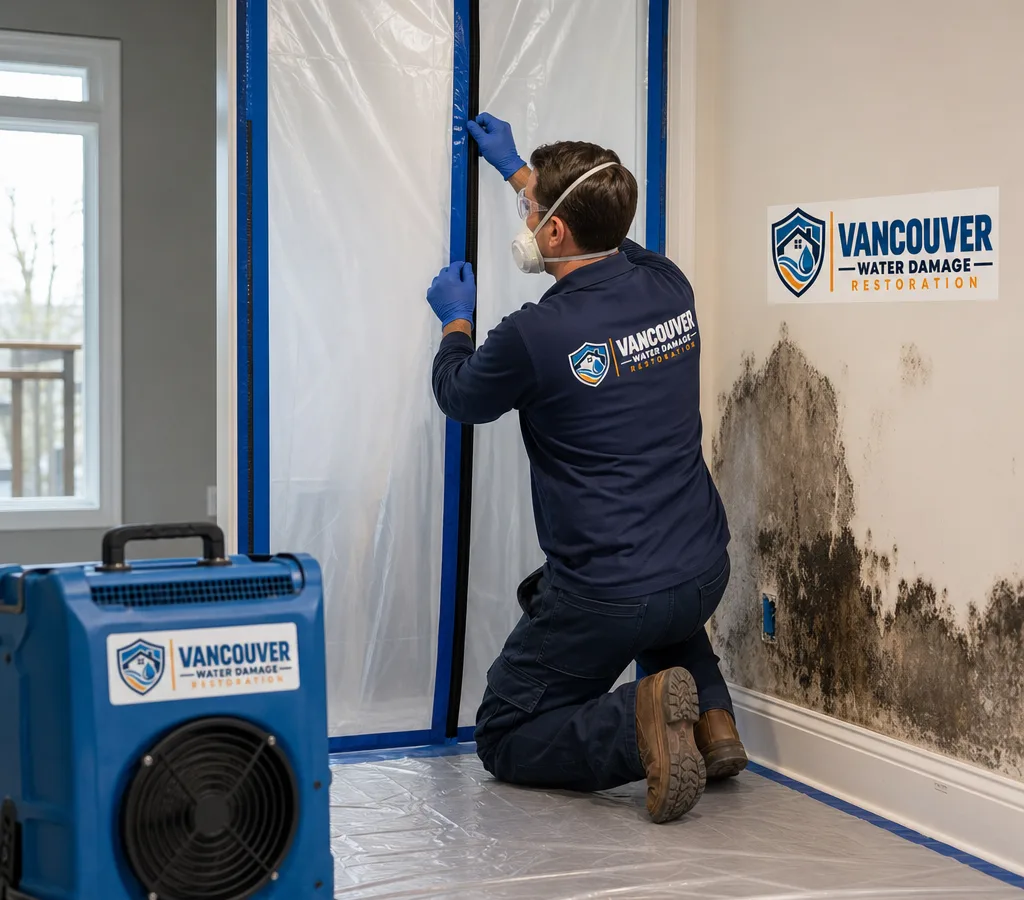
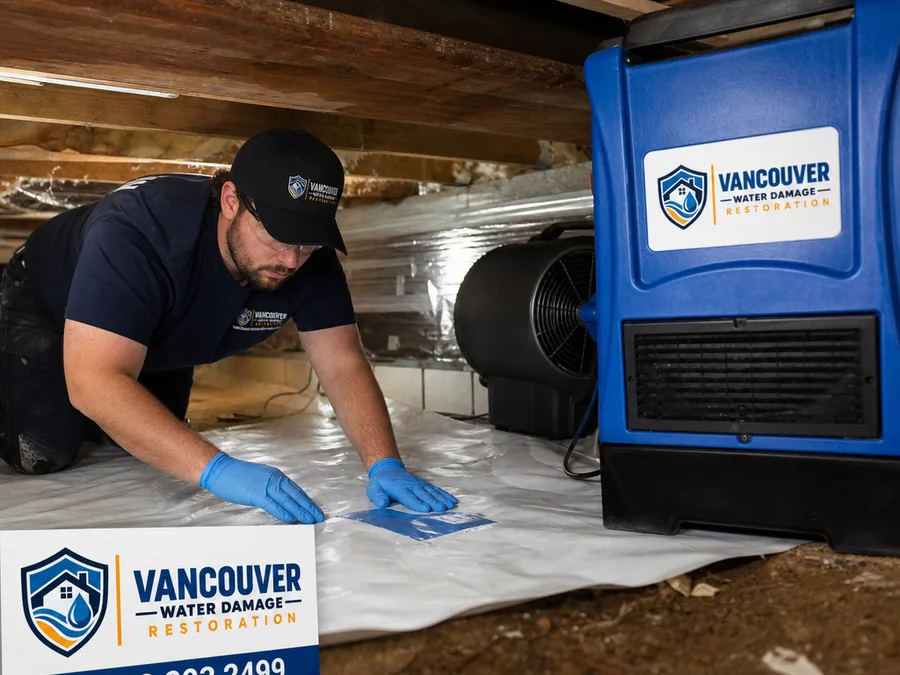
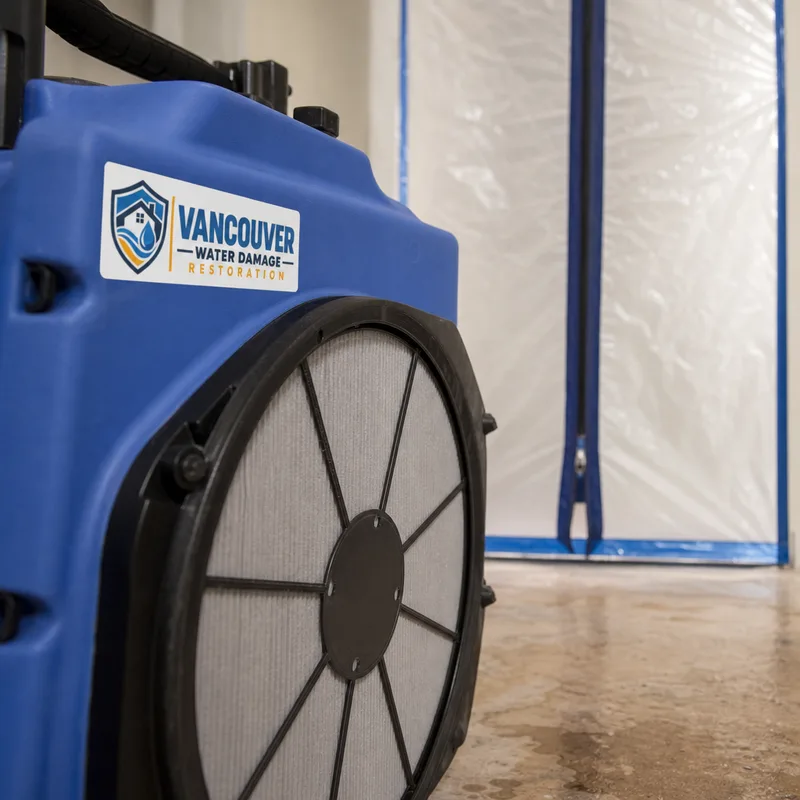
We isolate the affected space with plastic sheeting and controlled airflow so spores are not pushed into clean rooms during demolition or cleaning.
Serving Vancouver, Washington & surrounding areas
24/7 Emergency Response
If you see spotting, smell a musty odor, or had a recent leak, we can inspect, contain, and remove mold with a clear scope and a plan you can trust for your home or business in Vancouver, WA.
Mold problems rarely show up at a convenient time. A small patch behind a bathroom vanity can point to a slow leak. A damp crawl space can push spores into living areas. And after a roof or plumbing issue, mold can start growing in hidden materials before surfaces ever look damaged.
Our team at Vancouver Water Damage Restoration provides Vancouver mold removal focused on two priorities: stopping spread and removing the contaminated material the right way. That means controlled containment, proper filtration, and careful handling of anything that cannot be cleaned safely.
Mold is also a moisture problem. We do not treat mold like a paint job. We look for the moisture source that allowed growth in the first place, document what we find, and explain options in plain language so you can make a confident decision.
If you are also dealing with active moisture or recent flooding, Water Damage Restoration is often the first step before any cleanup can hold long term.
We isolate the affected space with plastic sheeting and controlled airflow so spores are not pushed into clean rooms during demolition or cleaning.
We use HEPA-rated equipment for air scrubbing and detailed surface cleaning to reduce residual dust and spores after removal work.
You get a written scope based on what is visible and accessible, plus guidance on what may need to be opened up to confirm conditions.
We plan access, staging, and daily cleanup so the job stays organized, with attention to privacy and minimizing disruption.
Some materials can be cleaned, others must be removed. We explain the difference for drywall, insulation, wood framing, and finishes.
We help you identify likely sources such as plumbing leaks, window intrusion, poor bathroom exhaust, or crawl space humidity so the problem does not repeat.
In Vancouver, mold often follows moisture patterns you cannot see at first. Older bathrooms and laundry areas can hide slow plumbing leaks inside wall cavities. Crawl spaces can stay damp for long periods, especially when ventilation is poor or the ground moisture barrier is missing or damaged. Condensation can also build up around cold surfaces when indoor humidity runs high.
We regularly find mold in:
Some parts of Vancouver have a mix of older and remodeled housing stock, which means we see both legacy moisture issues and newer changes that can accidentally trap humidity. For example, tighter windows and added insulation can improve comfort but may require better ventilation control to keep moisture balanced.
When the concern starts after a leak, the most important detail is how long materials stayed wet. Drywall, insulation, and carpet pad can become contaminated quickly if they cannot dry thoroughly.
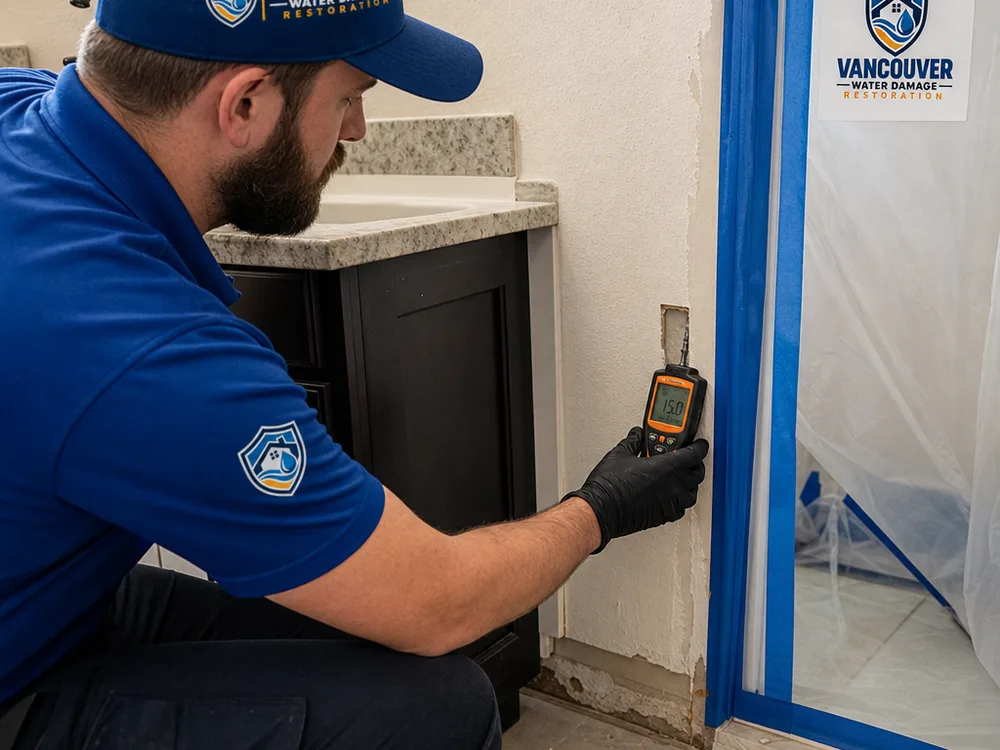
We look for visible growth, water staining, and musty odor sources, then check moisture with meters to understand what is wet now and what was wet recently.
We isolate the work zone and set up HEPA filtration and negative air where appropriate. This helps keep the rest of the property cleaner during removal.
Porous materials that are heavily impacted are typically removed and bagged for disposal. Semi-porous and non-porous surfaces may be cleaned using industry-standard methods.
After removal and cleaning, we do a fine-detail cleanup of surfaces in the containment area to reduce remaining dust and residue.
If materials are still wet, we address drying so the space can stabilize. Mold will return if the underlying moisture is not resolved.
If you want third-party clearance testing, we coordinate the timing so the area is ready. If rebuilding is needed, we explain what is typically next after remediation.
Vancouver mold removal typically ranges from about $900 to $3,500 for smaller, contained areas, while larger or multi-room remediation with significant demolition can run $4,000 to $10,000+. A single-room bathroom or under-sink issue is often on the lower end, while crawl spaces, attics, and widespread drywall or insulation removal increase cost.
Final pricing depends on the affected square footage, how much porous material must be removed, access such as crawl space height or attic entry, containment complexity, and whether active moisture drying is needed. The exact cost is confirmed after an on-site inspection and a written scope.
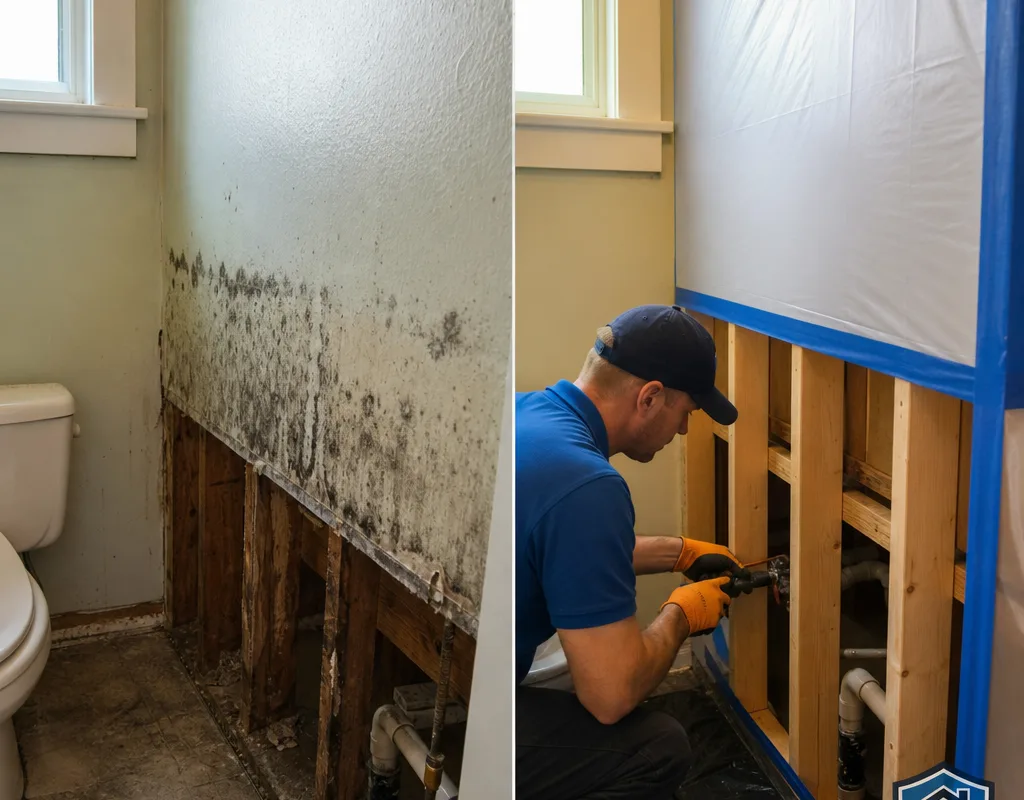
You usually need professional help when mold is on porous materials such as drywall, insulation, or carpet pad, when the affected area is larger than a small spot, or when there is a known leak or ongoing moisture. In those cases, cleaning the surface often leaves contamination in the material, and disturbance can spread spores. An inspection and moisture check will tell you what can be cleaned versus what should be removed.
Sometimes, but only when the affected surface can be cleaned safely and the material is not contaminated through its thickness. If moisture got behind drywall or into insulation, removal is usually the correct approach because those materials cannot be reliably cleaned. We explain what we can confirm visually, what we can confirm with moisture readings, and what would require opening up a cavity to know for sure.
Many single-area jobs take 1 to 2 days of on-site work, while crawl spaces, attics, or multi-room projects can take several days depending on containment, demolition, and drying time. The biggest schedule variable is moisture: if materials are still wet, drying and humidity control can add time. We outline a realistic timeline once we see the conditions.
Often it is, especially when the work area can be fully contained and there is a practical way to separate occupants from the remediation zone. For sensitive individuals, or when the affected area is in a high-traffic part of the home, it may be more comfortable to limit access during active removal. We walk through the containment plan so you know what to expect day to day.
Yes. Mold removal that ignores the moisture source is temporary. We look for common causes such as plumbing leaks, roof or window intrusion, poor bathroom exhaust, HVAC condensation issues, and crawl space humidity. If the situation points to a bigger moisture problem, starting with water damage restoration in Vancouver can stabilize materials before remediation decisions are finalized.
Yes. We work with property managers and business owners to schedule access, set up discreet containment, and keep walkways and work areas organized. Commercial mold issues often involve shared walls, ceiling voids, or HVAC-related moisture, so we focus on isolating the affected zone and documenting the scope clearly for decision-makers.
Tell us what you are seeing and where it is happening. We will schedule an inspection, explain what is affected, and provide a written scope for safe, professional mold removal in Vancouver, WA.